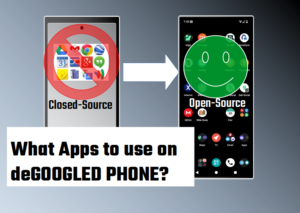
DeGoogling for Families: Reclaiming Privacy, Protection, and Peace of Mind
DeGoogling for Families
- Why bother? Google tracks everything your family does online → switching to privacy-focused alternatives gives you real control, protection, and peace of mind.
- Quick start order (easiest first): Email/calendar → Browser/search → Storage/photos → YouTube → deGoogled Phone OS.
- Top tools for families: Proton (email/drive/calendar), Brave browser, Bitwarden passwords, GrapheneOS on Pixel phones, Nextcloud for shared family files.
- Time & effort: Start small (1–2 services per week) → full switch in 1–2 months. No tech expertise required — huge win for kids’ data safety..
We all want to protect our families—keeping our kids safe, our data private, and our lives truly our own. It’s not just a nice-to-have; it’s essential in a world where every search, photo, and app use is tracked, stored, and monetized by companies like Google.
The risks are real and growing: Your child’s innocent online habits can become permanent profiles used for targeted ads, manipulation, or worse. Family routines feed algorithms that predict—and shape—behavior. Without action, these quiet invasions compound into lost privacy, identity risks, and missed opportunities we never see coming.
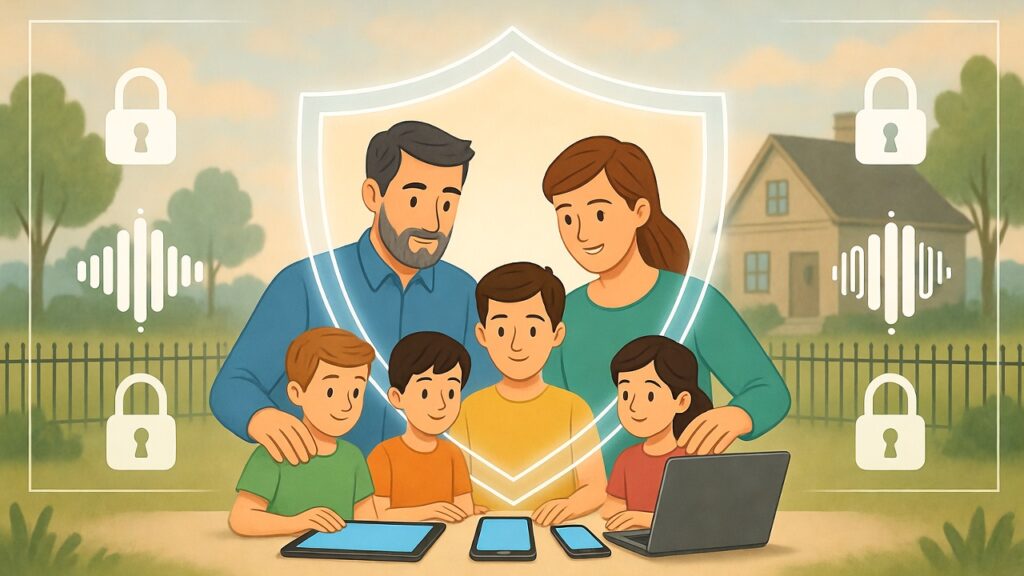
But you don’t have to accept this as the default. By switching to privacy-focused alternatives and reducing Google dependency step by step, you can reclaim control, teach your kids digital sovereignty, and build a safer digital home.
The good news? It’s doable—even for non-tech parents. Let’s walk through a practical 10-step guide to deGoogling your family, starting today.
1. Identify HOW, WHAT and WHO are the potential dangers or threats
🛡️ Start with a Threat Model
Before changing anything, understand what you’re protecting, from whom, and how serious the risks really are. This prevents overwhelm and helps your family stay motivated.
🔍 Key Questions to Ask (Create Your Threat Model)
Answer these five questions together as a family (adapted from PrivacyGuides.org – highly recommended quick read!):
- What do I want to protect?
(Examples: family photos, health/medical info, kids’ school data, financial details, location history, private messages, political/religious views) - Who do I want to protect it from?
(Examples: Big Tech companies, advertisers, hackers, government surveillance, nosy relatives, future employers, data brokers) - How likely is it that I will need to protect it?
(Consider how much data your family already shares daily via phones, apps, smart devices, etc.) - How bad are the consequences if I do nothing, or fail?
(Think identity theft, targeted ads influencing behavior, blackmail risks, loss of privacy/autonomy, impact on kids’ future) - How much trouble am I willing to go through to prevent potential consequences?
(Balance effort vs. benefit – start small if needed)
👨👩👧👦 Family Tips
- Do this as a family discussion over dinner—make it a positive conversation about protecting each other.
- Write down answers on paper or a shared note (not in Google Docs!) to refer back later.
- For kids: Use simple examples like “Imagine if a stranger could see everywhere you go after school” to explain why privacy matters.
- Revisit your answers every 6–12 months as threats and family needs change.
⏱️ Time Estimate
30–60 minutes for initial family discussion • Ongoing: 10–15 minutes every few months to review.
2. Preparation: Assess and Plan Your Transition
❓ Why Start Here?
DeGoogling isn’t an all-or-nothing process; rushing can lead to frustration, especially with non-technical family members.
📋 Steps
- Audit your Google usage: Log into your Google Account dashboard (myaccount.google.com) to review connected services, apps, and data collection.
- Download your data via Google Takeout (takeout.google.com)—export emails, photos, docs, etc., for migration.
- Set goals: For families, focus on shared tools like calendars or photos; involve kids in discussions about privacy to build awareness.
- Budget considerations: Free alternatives exist, but premium options (e.g., $5–10/month for encrypted storage) may be needed for family sharing.
👨👩👧👦 Family Tips
- Use this as a teaching moment—explain to kids why tracking matters (e.g., “Your searches shouldn’t follow you forever”).
- For non-tech-savvy partners, start with user-friendly apps and provide simple guides.
⚠️ Potential Challenges
- Data export can take hours (especially for large photo libraries or Drive files).
- Some apps or services may not import perfectly—plan for manual fixes or testing.
- Family members might resist change at first—be patient and highlight the benefits (more privacy, less creepy ads).
⏱️ Time Estimate
2–4 hours for initial audit & data export • 1–2 weeks to plan and get family aligned before starting migrations.
3. Core Communication: Email, Calendar, and Contacts
📧 Google Services Replaced
Gmail, Google Calendar, Google Contacts.
🔍 Privacy Issues
Emails scanned for ads; calendars track events and locations; contacts synced and analyzed across Google ecosystem.
🛡️ Recommended Alternatives
- Email: Proton Mail, Tuta (formerly Tutanota), Mailbox.org
- Calendar & Contacts: Proton Calendar (encrypted, family sharing), Tuta Calendar, Nextcloud (self-hosted option)
- Encrypted Messaging (for secure family chats, calls, groups):
- Signal — gold-standard E2EE with minimal metadata collection (no long-term who-talks-to-whom logs), disappearing messages, voice/video calls; nonprofit, audited, easy for family adoption.
- SimpleX Chat — maximum anonymity with no user IDs at all (not even random), uni-directional relays prevent metadata linking, strong E2EE; ideal for high-privacy family discussions without any profile exposure.
🚀 Migration Steps
- Sign up for Proton Mail (or Tuta) — consider a custom domain for family professionalism.
- Forward Gmail emails to your new address (Gmail → Settings → Forwarding).
- Export contacts & calendar via Google Takeout (takeout.google.com).
- Import to Proton using their Easy Switch tool or manual CSV/ICS import.
- Test sending/receiving and calendar invites for 1–2 days before fully switching.
👨👩👧👦 Family Tips
- Use Proton Family plan for shared encrypted calendars and up to 6 users.
- Create kid-specific accounts with restricted sharing/visibility.
- Enable 2FA on all family accounts and use a password manager together.
- Avoid free tiers for sensitive family/health/education data — paid plans offer better encryption & support.
- Discuss as a family why you’re making the change (privacy = protection).
⏱️ Time Estimate
1–2 hours for initial setup • 1 week for comfortable full transition (with testing & family buy-in).
4. Browsing and Search Engines: Break the Tracking Habit
🌐 Google Services Replaced
Google Chrome, Google Search.
🔍 Privacy Issues
Every page visit and search builds a detailed profile of your interests, habits, health concerns, political views, and more. This data fuels targeted ads, influences AI suggestions, and can be shared/sold or accessed by third parties.
🛡️ Recommended Alternatives
- Browser: Brave (built-in ad & tracker blocker, Chromium-based so familiar, fast, and private by default)
- More advanced/private options: Tor Browser, Mullvad Browser
- Search Engines: Brave Search, Startpage, DuckDuckGo
- Extra protection: Add uBlock Origin extension for stronger ad/tracker blocking on any browser.
- Added protection via VPN: A VPN encrypts your entire internet traffic and hides your real IP address from websites, your ISP, and network observers — complementing browser blockers by preventing location/ISP-level tracking and adding security on public Wi-Fi (great for family travel or school use). Recommended privacy-focused options:
- IVPN — no-logs policy, anonymous sign-up (no email required), crypto/cash payments, strong audits
- Mullvad VPN — exceptional privacy (account number only, cash payments accepted), transparent audits, RAM-only servers
- VP.net — zero-knowledge architecture with verifiable no-logs (hardware-enforced security), newer but focused on cryptographic privacy guarantees
🚀 Migration Steps
- Download and install Brave browser from brave.com.
- During setup, choose to import bookmarks, passwords, and history from Chrome (one-click process).
- Set Brave as your default browser (system settings or Brave prompts you).
- Change your default search engine in Brave settings to Brave Search (or DuckDuckGo/Startpage).
- Install uBlock Origin from the extension store for extra blocking if desired.
- Test normal browsing for a day or two before removing Chrome.
👨👩👧👦 Family Tips
- Brave’s Shields block most inappropriate ads and trackers automatically — great for kids without extra setup.
- Teach older children to use private/incognito tabs or switch to DuckDuckGo when searching sensitive topics (school projects, health questions).
- Set family devices to use Brave by default and explain: “This browser doesn’t spy on what we look up.”
- For very high-privacy needs (e.g., sensitive research), introduce Tor Browser gradually to teens/adults.
⏱️ Time Estimate
30–45 minutes for initial setup and import • 2–5 days to get comfortable and fully transition away from Chrome.
5. Storage and Productivity: Docs, Drive (Cloud), and Photos
📁 Google Services Replaced
Google Drive, Google Docs / Sheets / Slides, Google Photos
🔍 Privacy Issues
Google scans file contents, metadata, and photos for advertising, AI model training, and profiling. Google Photos uses facial recognition and location data to create detailed life timelines. Shared family documents and pictures can contribute to cross-device tracking.
🛡️ Recommended Alternatives
- Easy all-in-one encrypted solution: Proton Drive + Proton Docs (end-to-end encrypted storage & lightweight document editing)
- Full-featured open-source suite (self-hosted or hosted): Nextcloud (files, calendar, contacts, office suite via OnlyOffice/Collabora, photo gallery)
- Privacy-first photo management: Ente Photos (end-to-end encrypted, family sharing, excellent Google Photos replacement), Immich (self-hosted Google Photos clone with AI tagging)
- Encrypted layer on existing cloud: Cryptomator (encrypts files before upload to any provider)
🚀 Migration Steps
- Go to takeout.google.com → select Drive and Photos → create export (split into smaller archives if library is large; export can take hours to days).
- Choose primary service: Proton Drive for simplicity, Ente for photos, or Nextcloud/Immich if self-hosting.
- Create family accounts / shared folders with appropriate permissions.
- Upload files in priority order: important documents first → family photos/videos → less critical items.
- Convert Google Docs/Sheets/Slides: download as .docx / .xlsx / .pptx or PDF and re-upload to new service (or use Proton Docs / OnlyOffice for editing going forward).
- After verification, delete files from Google (move to trash → empty trash permanently).
👨👩👧👦 Family Tips
- Choose services with family plans (Proton Family, Ente family sharing) so everyone gets their own login but shared albums/folders are easy to manage.
- Create clear shared folders: “Family Photos 2020–2025”, “School Work”, “Medical & Legal”, “Vacation Memories”.
- For kids: Teach them to save homework/projects directly to the family encrypted drive instead of Google Docs.
- Ente or Immich can automatically back up phone photos privately — great for capturing family moments without feeding Google’s AI.
- Turn migration into a family activity: “Let’s move our photo albums to our own safe vault this weekend!”
⏱️ Time Estimate
1–4 hours for setup and first uploads
6. Navigation: Maps
🗺️ Google Services Replaced
Google Maps (navigation, search, location history, traffic).
🔍 Privacy Issues
Google tracks every search, route, stop, and location in real-time — building a permanent timeline of your family’s movements, routines, visits (schools, doctors, churches, stores), and even inferred activities. This data is used for ads, shared with partners, and accessible via subpoenas or breaches.
🛡️ Recommended Alternatives
- Top privacy & offline choice: CoMaps (fork of Organic Maps — fully open-source, no tracking, no ads, community-governed) or Organic Maps (excellent for hiking/cycling/family offline use)
- Feature-rich open-source: OsmAnd (highly customizable, offline navigation for driving/walking/cycling, plugins for extra layers)
- Good traffic & polish (less strict privacy): Magic Earth (OpenStreetMap-based, anonymized traffic possible, but some data upload for real-time features)
- Extra tip: Pair with a privacy browser for address lookups if needed (e.g., Brave Search or Startpage).
🚀 Migration Steps
- Download your preferred app: CoMaps / Organic Maps from F-Droid (best for privacy) or official site / app store; OsmAnd similarly.
- Download offline maps for your region(s) and family travel areas (e.g., home state, vacation spots — do this over Wi-Fi).
- Set as default navigation app in phone settings (Android: Apps → Default apps; iOS: limited, but use via share sheet).
- Test routes: Plan a familiar drive or walk — compare ETA, voice guidance, and offline reliability.
- Disable Google Maps location history & timeline (myaccount.google.com → Data & privacy → Location History → Turn off & delete old data).
- Gradually delete Google Maps app once family is comfortable (keep as backup initially if needed).
👨👩👧👦 Family Tips
- Offline maps are perfect for road trips, camping, or areas with poor signal — no more “lost connection” stress with kids in the car.
- CoMaps / Organic Maps support hiking trails & cycling paths — great for family outings without tracking every step.
- For kids/teens: Teach them to use the app for school routes or friend meetups — emphasize “our family chooses privacy” to build good habits.
- OsmAnd allows custom POI categories (e.g., mark family favorites like parks or safe spots) — make it a fun family project to add them.
- Discuss why you’re switching: “We don’t want companies knowing everywhere we go as a family.”
⏱️ Time Estimate
30–60 minutes for app install, offline map downloads, and basic testing • 3–7 days for full family transition and deleting old Google data.
7. Media: YouTube
🎥 Google Services Replaced
YouTube (video watching, recommendations, comments, subscriptions, history).
🔍 Privacy Issues
YouTube tracks every view, pause, skip, search, comment, and subscription — building a detailed profile of interests, beliefs, political views, health concerns, and family viewing habits. This fuels hyper-targeted ads, algorithmic manipulation, and data sharing with Google ecosystem.
🛡️ Recommended Alternatives
- Best privacy-focused clients (watch YouTube content without Google tracking):
- Web frontends (no app install, proxy YouTube): Invidious or Piped instances (use public ones or self-host; block ads/trackers via uBlock Origin)
- Other platforms (limited content): Odysee (decentralized, blockchain-based), Vimeo (higher-quality, privacy-focused hosting), Rumble (free-speech focus)
- Extra: Add SponsorBlock extension/integration to skip sponsored segments automatically.
🚀 Migration Steps
- Install FreeTube (desktop) or NewPipe/PipePipe (Android) from official sites or F-Droid (avoid Google Play for max privacy).
- Import subscriptions: Export from YouTube (myaccount.google.com → Data & privacy → Download your data → YouTube) or manually add channels in the new app.
- Set up local subscriptions/history (apps store data on your device only).
- Enable SponsorBlock/Return YouTube Dislike integrations if available.
- Test watching videos, playlists, and background play for a few days.
- Delete YouTube watch/search history (myactivity.google.com) and consider pausing future tracking or uninstalling the official app once comfortable.
👨👩👧👦 Family Tips
- Use FreeTube on family computers — it blocks ads automatically and lets you create separate profiles/subscription lists for kids (e.g., educational channels only).
- On Android devices, NewPipe supports background play and picture-in-picture — great for kids listening to stories/music while doing other things.
- Discuss recommendations: Explain that the new apps don’t push addictive videos — “We choose what to watch, not an algorithm.”
- For family movie nights or educational videos: Bookmark playlists in FreeTube or use Invidious web on a shared browser (with uBlock Origin enabled).
- Start small: Switch one family member’s device first, then share how much cleaner/less distracting it feels.
⏱️ Time Estimate
45–90 minutes for install, subscription import, and testing • 1–2 weeks for full family transition (adjusting habits from algorithmic feeds).
8. Security Tools: Passwords and Authentication
🔐 Google Services Replaced
Google Password Manager, Google Authenticator (built-in 2FA).
🔍 Privacy Issues
Google stores and syncs passwords/credentials across devices, often scanning for patterns or using them in broader profiling. Built-in 2FA codes can be tied to your Google account, creating a single point of failure if compromised. Weak or reused passwords expose family accounts to breaches, credential stuffing, and identity theft.
🛡️ Recommended Alternatives
- Password Managers (best overall privacy & family support):
- Bitwarden (open-source, audited, free tier excellent, family plan for shared vaults & emergency access)
- Proton Pass (end-to-end encrypted, integrated with Proton ecosystem, strong privacy focus, family sharing)
- 1Password (feature-rich family plan with admin controls, Travel Mode, excellent UX for non-tech family members)
- Offline/local option: KeePassXC (free, open-source, no cloud sync unless you add it securely)
- 2FA / Authenticator Apps (standalone, privacy-first):
- 2FAS or Aegis Authenticator (Android – minimal data collection, encrypted backups, open-source)
- Ente Auth (cross-platform, encrypted backups, privacy-focused)
- Integrated option: Bitwarden Authenticator or Proton Pass built-in TOTP (if using their password manager)
- Extra protection: Enable passkeys/hardware keys (YubiKey/FIDO2) where supported for highest security.
🚀 Migration Steps
- Choose & install a password manager (start with Bitwarden free or Proton Pass for privacy).
- Export passwords from Google Password Manager (chrome://settings/passwords → Export passwords) or browser storage.
- Import into the new manager (most support CSV import; test a few entries first).
- Generate strong, unique passwords for all important accounts (use built-in generator).
- Set up 2FA: Install a privacy-focused authenticator app → enable 2FA on key accounts (bank, email, etc.) → scan QR codes and store backup codes securely in the password manager.
- Enable family sharing/emergency access (e.g., Bitwarden emergency contacts or 1Password family vaults).
- Delete old Google-saved passwords (clear from browser & myaccount.google.com → Security).
👨👩👧👦 Family Tips
- Use family plans (Bitwarden/1Password/Proton) so each member has their own vault but shared items (e.g., streaming logins, Wi-Fi passwords) are easy to access securely.
- Set up emergency access: Designate a trusted family member who can request vault access if something happens to you (Bitwarden excels here).
- For kids/teens: Create limited vaults with only school/family accounts; teach them to use the generator and never reuse passwords.
- Make 2FA a family rule for sensitive accounts (email, banking) — use the same authenticator app across devices for simplicity.
- Run a family “password audit” session: Review weak/reused passwords together and update them — turn it into a game with rewards!
⏱️ Time Estimate
1–2 hours for setup, import, and enabling 2FA on key accounts • 1–3 weeks to fully update all family passwords and habits (do it gradually to avoid overwhelm).
9. Mobile OS and App Ecosystem – [i.e deGoogled Phone]
📱 Google Services Replaced
Android OS, Google Play Store.
🔍 Privacy Issues
Constant device tracking via Play Services. A dormant, stationary Android phone (with the Chrome browser active in the background) communicated location information to Google 340 times during a 24-hour period.
🛡️ Recommended Alternatives
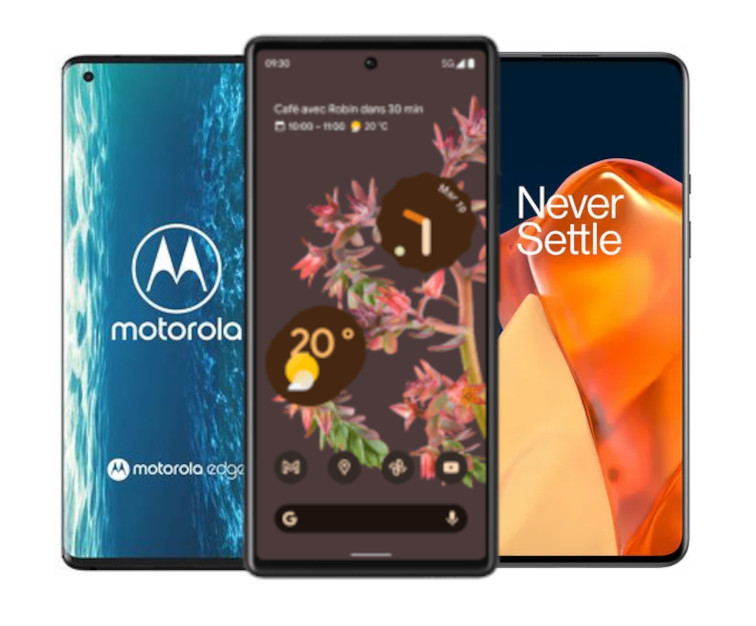
- deGoogled OS: GrapheneOS (Pixel devices, hardened security) or CalyxOS (with MicroG for app compatibility). CalyxOS releases are currently paused.
- App Store: Accrescent, Droid-ify (open-source apps) or Aurora Store (anonymous Play Store access). Check out GrapheneOS Startup & Install Apps on deGoogled Phone video.
- See our Recommended Apps blog for more.
🚀 Migration Steps
- Backup device; check compatibility.
- Install custom OS following official guides (e.g., GrapheneOS web installer) or get from Get Privacy Freedom.
- Install apps via Accrescent, Droid-ify, or Aurora Store.
👨👩👧👦 Family Tips
- GrapheneOS supports profiles for kids; use with parental control apps like Qustodio alternatives.
- This step is technical—consider for parents first, then family devices.
- Look for deGoogled Phone Family Bundles / Packages. Reach out to Get Privacy Freedom if don’t see them on the website.
⚠️ Potential Challenges
- Some apps (e.g., banking) may require workarounds; warranty voided.
⏱️ Time Estimate
2–3 hours; test thoroughly.
10. Security Cameras & Doorbells: The Cloud Privacy Trap
📹 Google Services Replaced
Google Nest cameras, Nest Doorbells (wired & battery), Nest Aware subscription.
🔍 Privacy Issues
Nest cameras and doorbells upload video continuously (or on motion) to Google’s cloud servers. Even with “end-to-end encryption” claims for some features, Google still processes and stores footage/metadata unless you pay for Nest Aware — and even then:
- Constant cloud upload creates a permanent record of your home, family movements, visitors, children playing, delivery people, license plates, and conversations near the device.
- Google’s facial recognition (in Nest Aware) builds profiles of “familiar faces” — including kids, neighbors, and strangers — often without explicit consent.
- Audio is recorded and analyzed; Google can (and has) shared footage with law enforcement via warrants or emergency requests without notifying you.
- Metadata (when the camera activates, motion patterns, location) feeds Google’s broader surveillance graph — combining with phone data, search history, location history, etc.
- Third-party access risk: If Google is hacked, subpoenaed, or changes policy, your family’s most intimate home moments are exposed.
Bottom line: Cloud-connected cameras turn your home into a surveillance node that benefits Google and law enforcement far more than your family.
🛡️ Recommended Alternatives
- Best local-only option (most private): Reolink cameras + NVR (Network Video Recorder) — full 4K/8MP models, no cloud required, local storage on SD card or hard drive, ONVIF compatible, no subscription needed for core features.
- Excellent open-source/local: Frigate NVR + any ONVIF/RTSP camera (e.g., Amcrest, Dahua, Reolink) — runs on a Raspberry Pi, mini-PC, or NAS; AI object detection locally (no cloud), Home Assistant integration, zero internet upload unless you choose.
- Family-friendly smart option (minimal cloud): Eufy cameras/door bells with local storage — HomeBase hub stores footage locally, optional limited cloud backup, no monthly fees for basic use, better privacy reputation than Nest.
- Ultra-private / self-hosted: Wyze (with RTSP firmware) or OpenIPC flashed cameras — completely de-clouded, local streaming/recording only.
Tip: For maximum privacy, choose cameras with local storage only (SD card, NVR, NAS) and never enable cloud features or mobile app remote access unless absolutely necessary.
👨👩👧👦 Family Tips
- Explain to kids: “Our cameras keep us safe without telling strangers what we’re doing at home.”
- Place cameras to cover entry points only — avoid pointing at bedrooms, bathrooms, or neighbor properties.
- Use local NVR setups so footage stays in your home — no company or government can access it without physical access.
- Consider wired PoE cameras + a small NVR for reliability (no Wi-Fi vulnerabilities or battery issues).
- Regularly review and delete old footage to minimize storage of sensitive moments.
⏱️ Time Estimate
1–3 hours to choose and install a local-only system • 1–2 weeks to test and get family comfortable with the new setup.
Maintenance and Long-Term Strategies
🛠️ Key Practices
- Monitor progress: Use tools like Privacy Badger to check trackers.
- Handle setbacks: If an alternative doesn’t work, hybrid approaches (e.g., limited Google use via VPN) are okay initially.
- For Families: Integrate with digital safety education—resources like Common Sense Media or Google’s own (ironic but useful) Be Internet Awesome, adapted to privacy focus.
- Stay Updated: Follow communities like r/degoogle on Reddit or PrivacyGuides.org for 2026 trends, such as post-quantum encryption in tools like Proton Drive.
- Measure Success: Reduced ads, better battery life on deGoogled phones, and family discussions on data rights.
⏱️ Time Estimate
Ongoing: 15–30 minutes per month for checks & updates.
For families, these steps will help protect your and children’s data from exploitation, enabling parental oversight without Big Tech surveillance, and teaching digital autonomy. Remember to start small to avoid overwhelm, and prioritize based on your usage and expect some trade-offs in convenience, but gains in security and peace of mind.
If challenges arise (e.g., app incompatibilities), look to communities that offer support. Take your time, step by step, and commit to this for thriving in a privacy-first digital world—your data, your rules